General Studies


A Strong Academic Foundation for What Comes Next
Strong academics begin with careful teaching and meaningful expectations. Students learn to read demanding material, communicate their ideas, solve problems, conduct research, and explain how they reached a conclusion.
Teachers also consider the student in front of them: what the child has mastered, where further instruction is needed, and when the student is ready for additional challenge. The curriculum is sequenced from kindergarten through eighth grade so students are prepared for high school and able to continue learning with growing independence.

How the Program Develops
Kindergarten Through Second Grade
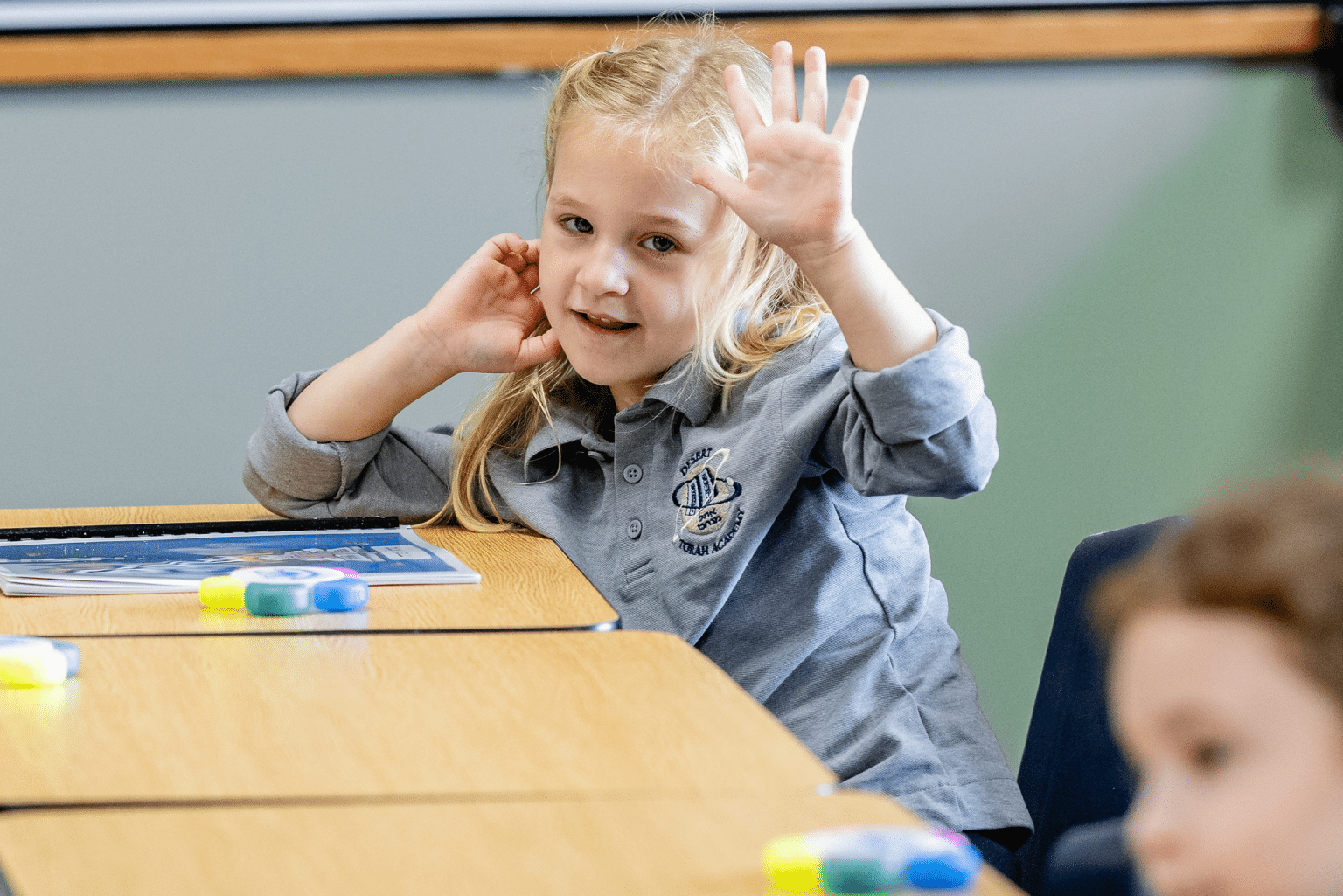
The early years establish the foundations of literacy and mathematics. Reading focuses on phonemic awareness, phonics, decoding, vocabulary, fluency, and comprehension. Writing develops from letter formation and spelling to complete sentences and organized ideas. Mathematics builds number sense, computational understanding, measurement, basic operations, money, and early problem-solving. Science and social studies introduce the world through observation, stories, maps, and practical experiences.
Grades Three Through Five
Students begin using foundational skills in more complex ways. They read longer texts, analyze what authors communicate, develop paragraphs and essays, conduct research, and revise their work. Mathematics includes multiplication, division, fractions, decimals, geometry, and more advanced word problems. Science and social studies include experiments, research, projects, and presentations.
Middle School
The program becomes more departmentalized and demanding. Students manage several teachers, take notes, prepare for exams, and plan long-term assignments. Language arts emphasizes analysis and evidence. Mathematics moves into pre-algebra, algebraic reasoning, geometry, and data analysis. Science and social studies use increasingly complex questions, sources, and applications.
English Language Arts
In the early grades, students build phonics, decoding, fluency, spelling, and comprehension through systematic instruction. As they advance, they read literature and informational texts, identify central ideas, make inferences, and analyze theme, character, argument, and evidence.
Writing develops through planning, drafting, and revision. Students write narratives, informational pieces, persuasive work, research projects, and responses to literature. They also participate in discussion, present their work, and learn to respond thoughtfully to others.
Mathematics
The mathematics program develops understanding and accuracy while teaching students how to approach unfamiliar problems. Young students begin with number sense and concrete models. As they progress, they build fluency with multiplication, division, fractions, decimals, geometry, and measurement. Middle school students move into algebraic thinking and higher-level mathematics.
Students are expected to show their work and explain their reasoning. ALEKS supports individualized learning by identifying what each student understands and which skills should come next. Students ready to advance can continue moving, while teachers can identify concepts that need direct instruction or further practice.
Science and STEM
Science begins with curiosity and develops into disciplined investigation. Students observe, ask questions, test ideas, record information, and use evidence to support conclusions. Hands-on activities allow them to see scientific ideas in action.
STEM is incorporated throughout the grades through challenges that require planning, testing, and revision. Robotics begins in sixth grade, giving middle school students practical experience with engineering and technology. Age-appropriate work with artificial intelligence and emerging technology introduces new fields while emphasizing responsible use.
Social Studies
Younger students begin with families, neighborhoods, maps, and community responsibilities. As they advance, they study Nevada, American history, world history, geography, civics, economics, and government.
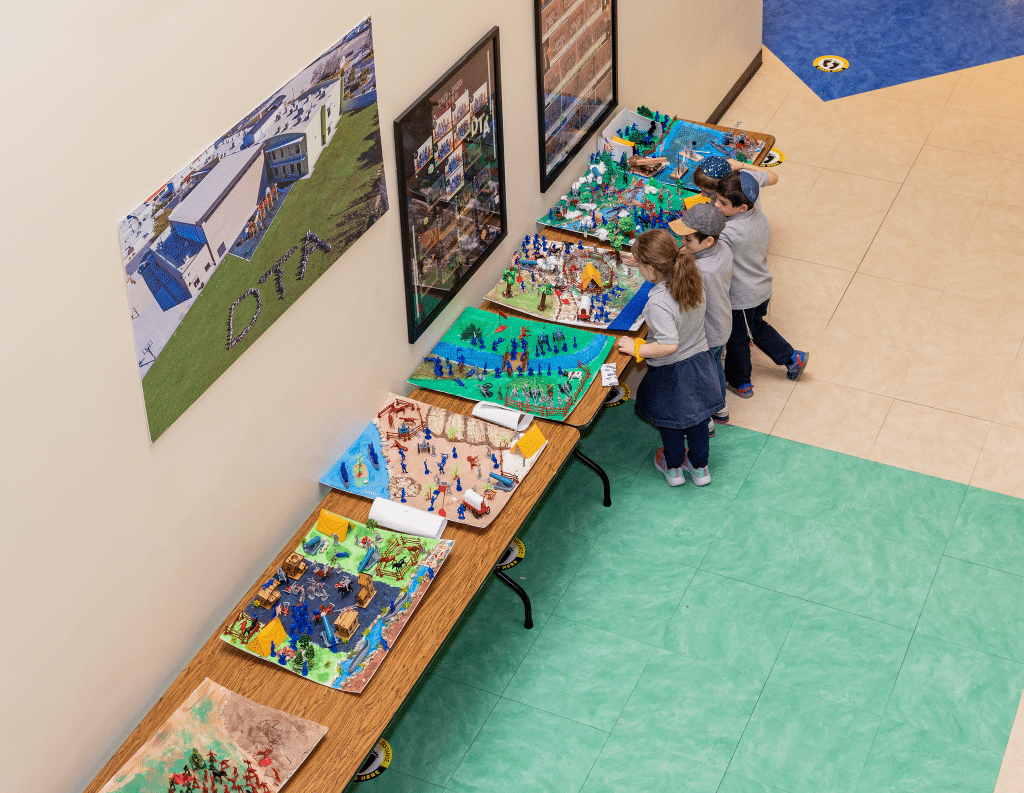
Students use timelines and maps, conduct research, distinguish between primary and secondary sources, and consider historical perspective. Projects such as the Living Museum and the Nevada project bring together research, analysis, and presentation.
Projects, Technology, and Practical Learning
Projects give students another way to demonstrate understanding. Historical presentations require accurate research and clear organization. Science investigations require careful observation and conclusions supported by evidence.
Technology is used when it strengthens instruction. IXL provides targeted practice in reading, mathematics, grammar, and other areas. ALEKS gives mathematics students an individualized path based on readiness. Middle school financial literacy connects classroom learning to budgeting, investing, planning, and real financial decisions.
Teaching the Student in Front of Us
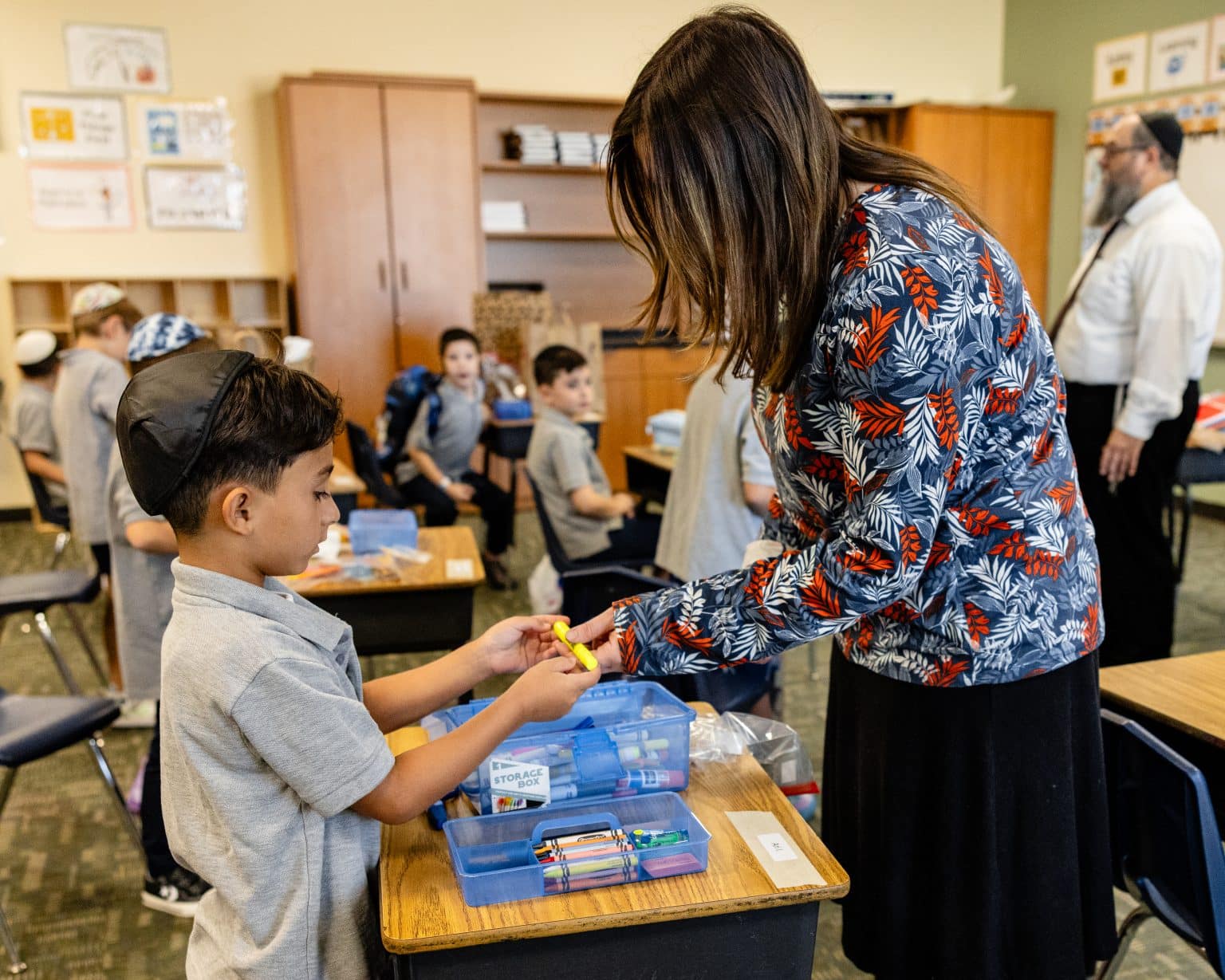
Differentiated instruction and coordinated learning groups allow teachers to respond to each student’s current level of understanding. Groups change as students progress and are never intended to define a child.
A student who needs additional teaching should receive it before a small gap grows. A student who has mastered the current material should have room to move ahead. When more concentrated instruction is needed, the Resource Room can provide targeted support during an appropriate part of the school day.

Understanding Student Progress
Teachers consider daily work, participation, projects, and independent application. MAP Growth provides outside data. DTA tests measure the curriculum taught in our classrooms, and middle school semester assessments show whether students can retain and apply learning over time. IXL and ALEKS can also help identify specific needs.
No result is viewed alone. Teachers consider the student’s work over time and decide what instruction should come next.
Middos in the Classroom
Character development is woven into Judaic learning. Chumash examines choices and consequences. Gemara teaches patience and careful listening. Halachah develops responsibility. Tefillah encourages gratitude and humility.
Students are expected to treat others with derech eretz, take responsibility after a mistake, persevere through demanding work, and use their strengths to help others. Torah learning should be visible in the way a student lives.
Experience General Studies at DTA
Visit our classrooms, meet our teachers, and see how DTA combines strong instruction and individual attention.