


© 2026 Desert Torah Academy. All Rights Reserved. Website design by Sage Digital Agency
© 2026 Desert Torah Academy. All Rights Reserved. Website design by Sage Digital Agency
© 2026 Desert Torah Academy. All Rights Reserved. Website design by Sage Digital Agency
© 2026 Desert Torah Academy. All Rights Reserved. Website design by Sage Digital Agency
© 2026 Desert Torah Academy. All Rights Reserved. Website design by Sage Digital Agency
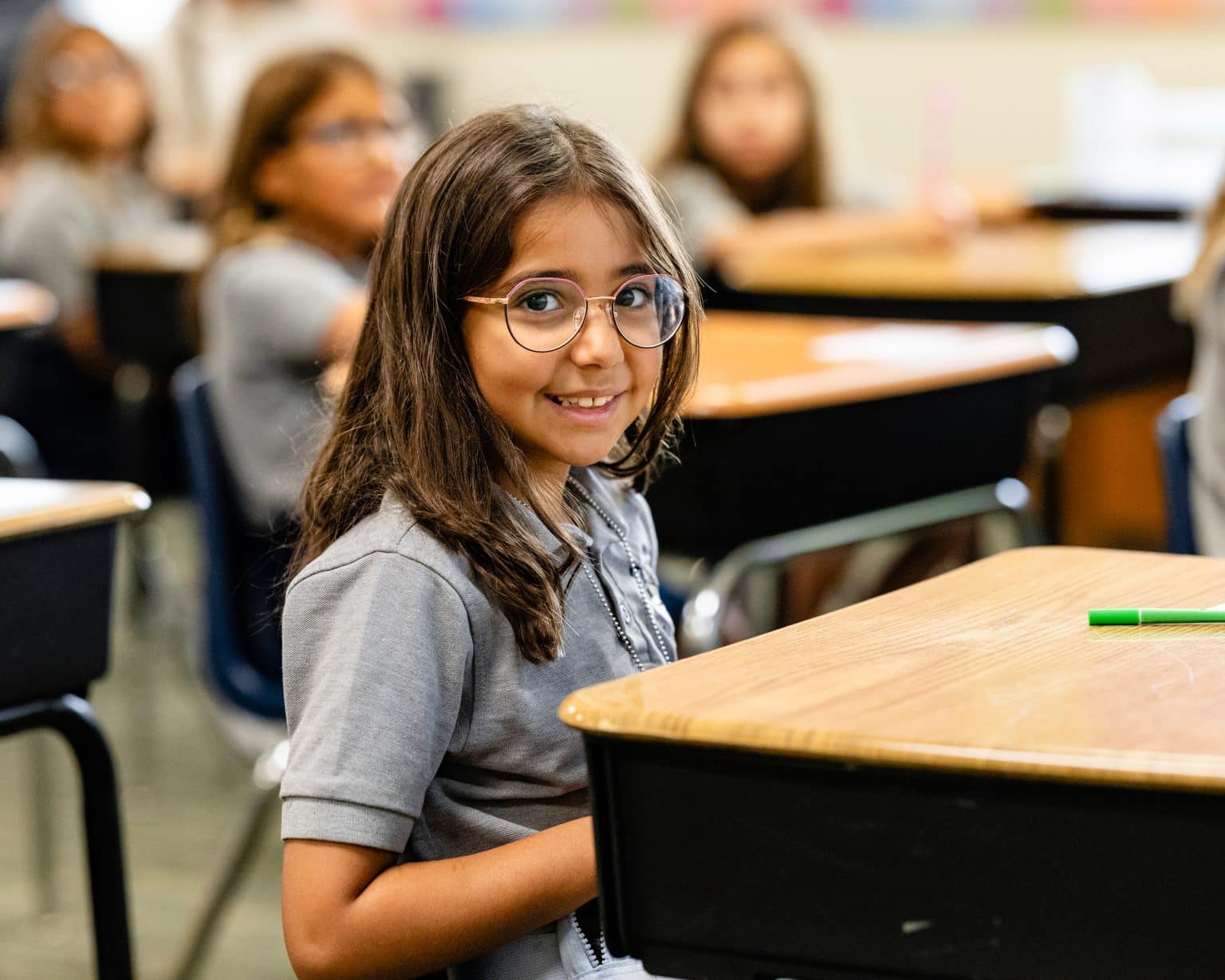
At Desert Torah Academy, students receive a strong education in both Judaic and General Studies. Teachers consider what each child has already mastered, how that child learns, and what should come next. We maintain high expectations while recognizing that students do not all develop at the same pace or arrive with the same needs.
Our goal is deeper than completing a curriculum. Students should understand what they are learning, apply their knowledge, and develop the habits needed to take on challenging work.
Both areas of study are central to the DTA experience.
Students develop Hebrew literacy and gain the textual skills needed to study Torah with growing confidence and independence. As they progress, they engage with increasingly complex original texts while strengthening their connection to Hashem, Torah, and the Jewish people.
Students build essential skills in language arts, mathematics, science, and social studies. The curriculum is carefully sequenced across grade levels, helping students think critically, communicate clearly, and confidently tackle new academic challenges.
Both areas of study are central to the DTA experience.
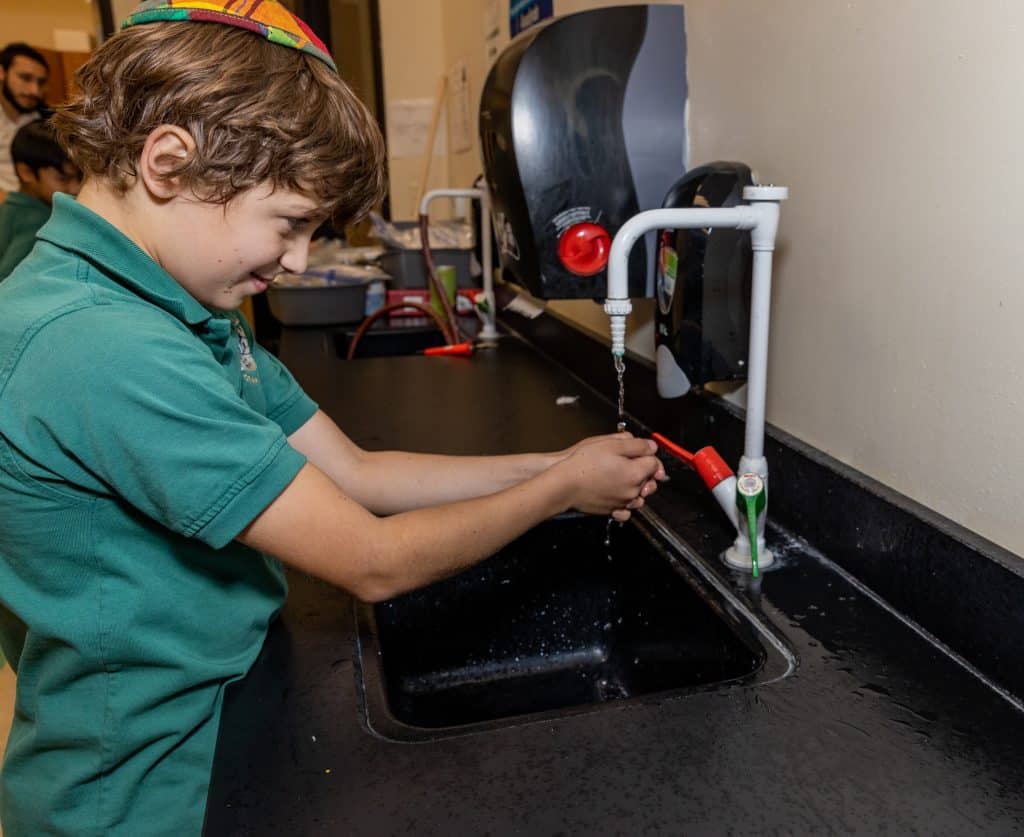
DTA classrooms combine clear instruction with meaningful participation. Students discuss ideas, practice new skills, complete projects, and use what they have learned in practical ways.
Projects such as the Living Museum and the Nevada project bring subjects to life and ask students to understand, organize, and present information. Technology is used when it serves a clear academic purpose. In mathematics, ALEKS creates an individualized learning path based on what a student understands and is ready to learn next.
Growth requires effort. Teachers help students develop the knowledge and habits needed to stay with challenging work.
Teachers consider classwork, projects, participation, formal assessments, and a student’s ability to apply skills independently. MAP Growth provides outside data, while DTA assessments and middle school semester exams measure the curriculum taught in our classrooms. IXL and ALEKS offer additional practice and information about specific skills.
Together, these measures help teachers understand what a student knows, where support may be needed, and what should come next.
Students also participate in STEM, physical education, art, robotics, financial literacy, and age-appropriate technology and artificial intelligence programming, depending on grade level. When focused instruction is needed, the Resource Room provides targeted support. It can also offer advanced work for students who are ready to move beyond the pace of the larger class.
By graduation, DTA students should have the academic foundation and learning habits needed for high school. They should know how to manage demanding work, continue when success requires effort, and seek guidance when needed. Most importantly, they should continue learning while remaining committed to Hashem, Torah values, and the Jewish people.
Meet our teachers, observe our students learning, and discover how a DTA education can help your child grow.